 111
111 2
2 3
3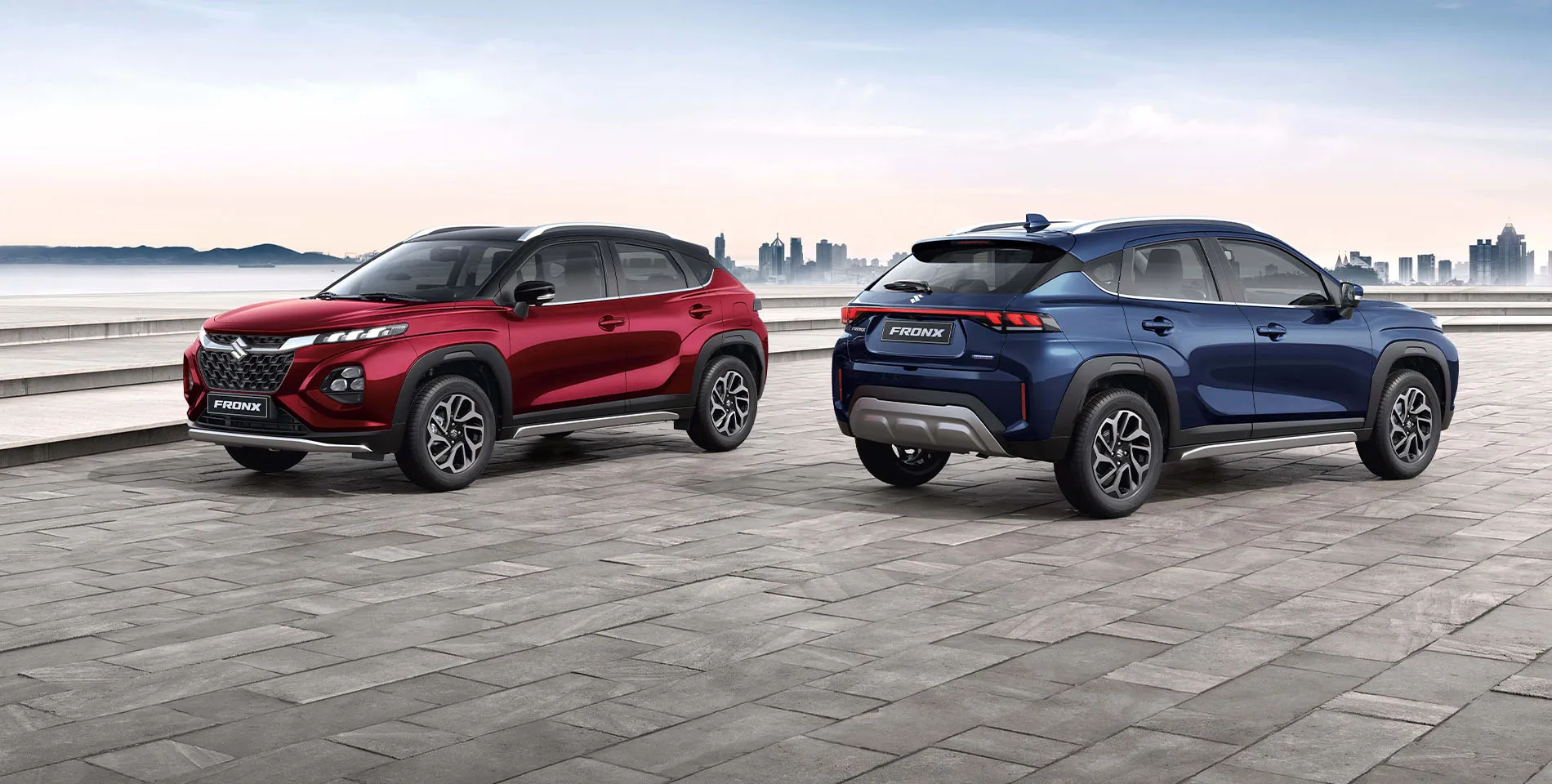
The automobile landscape in Pakistan is undergoing a historic transformation. With rising fuel costs, government incentives, and global environmental awareness, electric and hybrid cars have become the center of innovation in the local market.
By 2026, Pakistan’s roads will witness a new era of sustainable driving, where electric and hybrid vehicles are no longer just luxury items — they’re becoming accessible to middle-class families and eco-conscious buyers alike.
This shift signifies more than just a change in powertrains; it’s a revolution in technology, efficiency, and design that is redefining how Pakistan drives.
Electric Vehicles in Pakistan
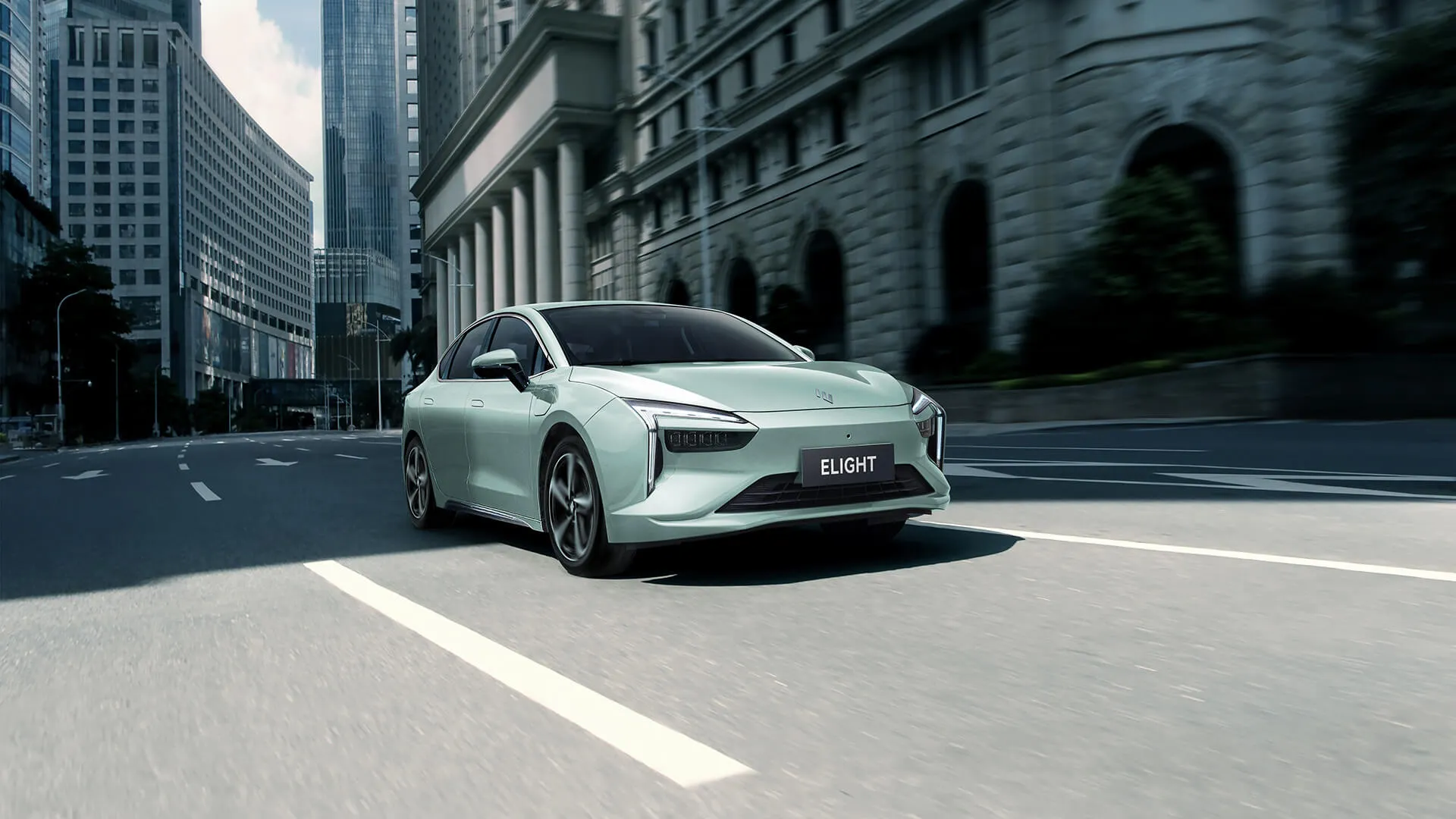
Pakistan’s EV market has seen exponential growth since 2023. The government’s Electric Vehicle Policy provided tax reductions, lowered import duties, and encouraged local assembly.
Brands such as MG, BYD, Changan, and Audi have paved the way for electric mobility, while new entrants like ORA and Seres are preparing to introduce 2026 models that combine affordability with futuristic design.
Over 25,000 EVs are estimated to be on Pakistani roads.
15+ public charging stations across major cities.
New battery recycling and service centers are under development.
Increased focus on locally assembled EVs to reduce import costs.
This growing ecosystem is setting the foundation for a sustainable automotive industry by 2030.
While electric cars are gaining momentum, hybrid vehicles continue to dominate due to their practicality and extended range. Brands like Toyota and Honda have long been trusted for their hybrid technology.
The Toyota Corolla Cross Hybrid, Honda Vezel e: HEV, and Toyota Crown Hybrid are among the top-performing models, offering power, style, and fuel savings.
Easy refueling with no range anxiety.
Fuel efficiency up to 25 km/L in city conditions.
Lower emissions compared to gasoline-only engines.
Smooth transition between electric and fuel-powered modes.
Pakistan’s hybrid segment is expected to remain strong through 2026, serving as the bridge between combustion engines and fully electric mobility.
BYD Atto 3 Pakistan
The MG ZS EV remains Pakistan’s best-selling electric SUV. Its combination of affordability, performance, and comfort makes it a leader in the EV category.
Range: 420 km
Battery: 51.1 kWh lithium-ion
Charging: 30–80% in 40 minutes (fast charger)
Estimated Price: PKR 9.8 – 10.5 million
The BYD Atto 3 represents the next level of innovation with its Blade Battery technology and cutting-edge design.
Range: 480 km
Power: 201 hp
Charging Time: 30–35 minutes (DC fast charging)
Estimated Price: PKR 11 – 12 million
Expected in late 2026, Changan Lumin will be one of the most affordable EVs in Pakistan.
Range: 300 km
Battery: 35 kWh
Estimated Price: PKR 6 – 7 million
The Seres 3, introduced by DFSK, offers a stylish blend of performance and value.
Range: 405 km
Power: 160 hp
Battery: 52.7 kWh
Estimated Price: PKR 8.8 – 9.8 million
Toyota Corolla Cross Hybrid
The Corolla Cross Hybrid has become Pakistan’s most popular hybrid SUV, balancing performance and practicality.
Engine: 1.8L hybrid
Fuel Efficiency: 22–24 km/L
Transmission: eCVT
Estimated Price: PKR 10 – 11 million
Known for its sleek design and advanced hybrid system, the Vezel e: H EV is a top choice for urban drivers.
Powertrain: 1.5L hybrid with dual motor assist
Fuel Efficiency: 24–26 km/L
Estimated Price: PKR 8.5 – 9.5 million
The Toyota Prius, an icon in the hybrid world, continues its legacy with bold design and improved efficiency.
Fuel Economy: 28 km/L
Power: 194 hp combined system output
Estimated Price: PKR 12 – 13 million
Affordable EVs in Pakistan
| Model | Type | Range / Fuel Efficiency | Est. Price (PKR) |
|---|---|---|---|
| MG ZS EV | Electric | 420 km | 9.8 – 10.5 million |
| BYD Atto 3 | Electric | 480 km | 11 – 12 million |
| Changan Lumin | Electric | 300 km | 6 – 7 million |
| Seres 3 | Electric | 405 km | 8.8 – 9.8 million |
| Toyota Corolla Cross | Hybrid | 22–24 km/L | 10 – 11 million |
| Honda Vezel e:HEV | Hybrid | 24–26 km/L | 8.5 – 9.5 million |
| Toyota Prius | Hybrid | 28 km/L | 12 – 13 million |
The data clearly shows that hybrid cars offer superior fuel savings, while electric cars lead in zero-emission driving and advanced technology.
The 2026 lineup of electric and hybrid cars in Pakistan will showcase technological advancements never seen before:
Next-Gen Batteries: Longer life, faster charging, and higher safety.
AI-Powered Systems: Predictive maintenance and adaptive driving features.
Regenerative Braking: Energy recovery for enhanced efficiency.
Over-the-Air Updates: Software upgrades directly through car connectivity.
Smart Infotainment: Integration with mobile apps, navigation, and safety alerts.
These innovations reflect a global shift toward intelligent mobility, making Pakistan part of the worldwide EV revolution.
Future Cars 2026
The Pakistan Electric Vehicle Policy (2020–2030) continues to encourage:
Reduced import duties on EV parts and batteries.
Zero sales tax on locally assembled EVs (in certain categories).
Development of local battery recycling facilities.
Collaboration with Chinese and European manufacturers for local assembly.
Companies like MG Motors, Changan, and BYD are already considering local production of EVs and hybrids by 2026, which could significantly reduce prices and increase availability.
Despite rapid progress, there are still obstacles to overcome:
High initial purchase price due to import taxes.
Limited charging stations outside major cities.
Public awareness gap about EV maintenance and charging.
Currency fluctuations are affecting vehicle costs.
Addressing these challenges will require continued public-private partnerships, infrastructure investment, and consistent policy support.
According to market surveys, Pakistani car buyers in 2026 prioritize:
Fuel and energy efficiency
Low maintenance cost
Stylish design with modern features
Smart infotainment and safety systems
Environmental sustainability
These preferences are pushing automakers to deliver more advanced yet affordable EVs and hybrids tailored for local needs.
By the end of 2026, Pakistan’s electric and hybrid vehicle market is expected to grow by over 45%, marking a historic shift in consumer behavior.
Key predictions include:
Expansion of EV charging stations nationwide.
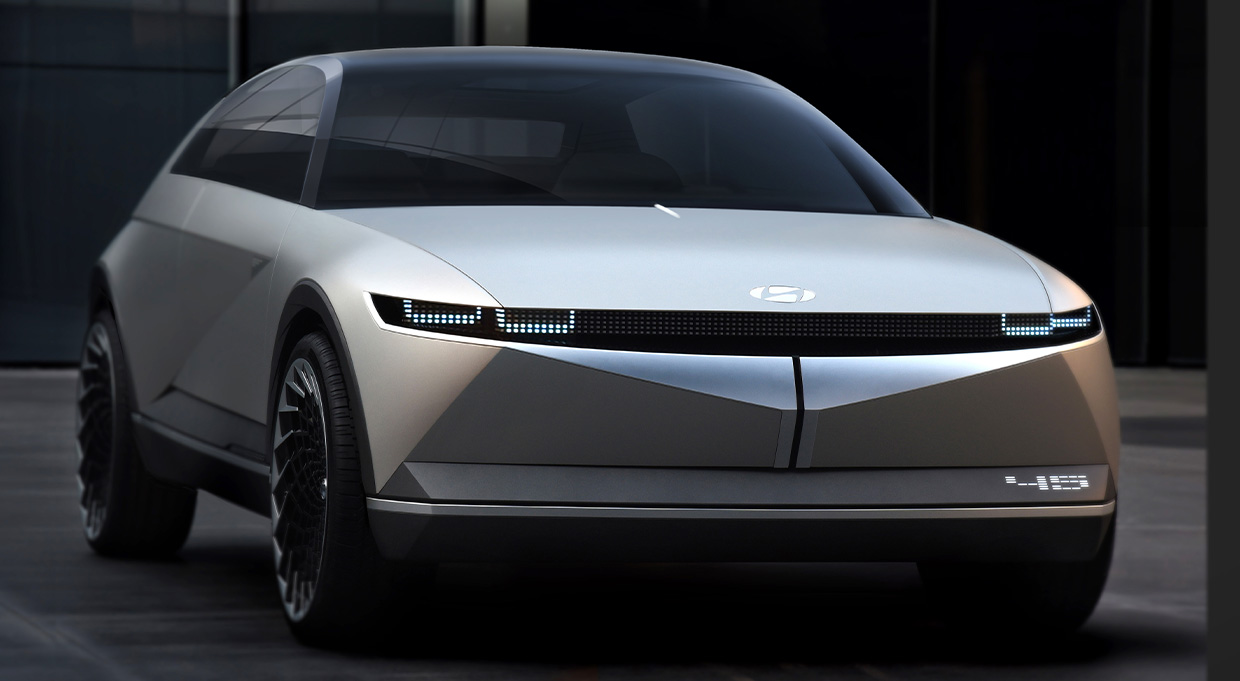
Entry of new EV brands such as ORA, NIO, and Hyundai IONIQ 6.
Rise of locally assembled hybrids by Toyota and Honda.
Greater affordability as competition increases.
Pakistan’s automotive future is heading toward a cleaner, smarter, and more connected ecosystem, with electric and hybrid technology at its core.
The rise of Electric and Hybrid Cars in Pakistan in 2026 marks a major milestone in the country’s automotive evolution. From affordable electric SUVs to fuel-efficient hybrid sedans, Pakistani consumers now have more sustainable and technologically advanced choices than ever before.
While challenges remain, the combination of innovation, policy support, and consumer demand ensures that the EV and hybrid revolution is here to stay.
In 2026, Pakistan won’t just follow the global automotive trend — it will drive it forward, one electric mile at a time.