 111
111 2
2 3
3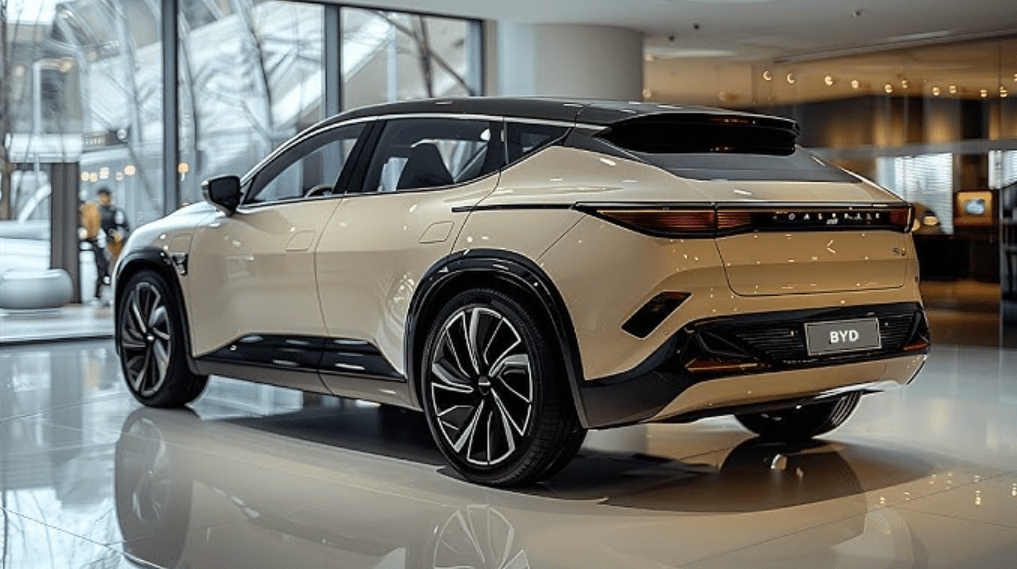
The global automotive industry is undergoing a massive transformation, and Pakistan is no exception. With rising fuel prices, climate concerns, and the global shift toward clean energy, electric cars in Pakistan are gaining remarkable traction.
Consumers are now focusing on eco-friendly, fuel-efficient, and technologically advanced vehicles that offer performance without compromising sustainability. As we move into 2025 and 2026, Pakistan’s electric vehicle (EV) market is expected to grow faster than ever, supported by new government policies, private investments, and the growing interest of global automakers.
Pakistan’s journey into electric mobility began slowly, but the momentum is now building. Initially, hybrid vehicles dominated the market, but the introduction of fully electric models by major automakers has sparked a new wave of interest.
Key factors driving the popularity of EVs include:
Government incentives and reduced taxes on EV imports
Rising fuel costs are pushing consumers toward electric options
Growing awareness of environmental sustainability
Expansion of EV charging infrastructure in major cities
Cities like Karachi, Lahore, and Islamabad are leading the trend, with more charging stations, EV dealerships, and a stronger focus on sustainable transport solutions. EV Prices in Pakistan:
Here’s a detailed look at some of the best electric cars available in Pakistan for 2025–2026, based on performance, price, range, and features. Future of Electric Cars:
The Audi e-tron is Pakistan’s most recognized luxury EV. Known for its premium quality and strong electric performance, it delivers the perfect mix of comfort and innovation.
Range: 400 km per charge
Battery: 95 kWh
Performance: 0–100 km/h in 5.7 seconds
Approx. Price: PKR 45–55 million
The e-tron represents luxury, technology, and sustainability, making it a status symbol among elite Pakistani drivers.
Electric SUV in Pakistan:
The MG ZS EV has become one of Pakistan’s most popular mid-range electric cars due to its affordability and practicality.
Range: 320–350 km
Battery: 44.5 kWh
Charging Time: 6–8 hours (AC)
Approx. Price: PKR 12–15 million
It’s perfect for urban use, combining elegant design with smart safety and tech features — ideal for families and professionals. Tesla and Audi e-tron Pakistan:
BMW’s iX is a symbol of futuristic engineering and luxury. With its modern design, advanced AI systems, and impressive range, it represents the next level of premium EVs.
Range: 450–500 km
Battery: 111.5 kWh
Performance: 0–100 km/h in 4.6 seconds
Approx. Price: PKR 65–70 million
The BMW iX sets a new benchmark for electric SUVs in Pakistan, offering both comfort and power.
Though Tesla does not officially operate in Pakistan yet, imported Model 3 units are available through private dealers.
Range: 500–560 km
Battery: 60–75 kWh
Performance: 0–100 km/h in 4.2 seconds
Approx. Price: PKR 25–30 million (imported)
With its minimalist design, high efficiency, and strong resale value, the Tesla Model 3 continues to dominate global EV rankings — and is now appearing in Pakistani showrooms. BMW iX 202:
The Nissan Leaf is one of the world’s best-selling electric vehicles, known for its affordability and reliability.
Range: 240–270 km
Battery: 40 kWh
Charging Time: 8–10 hours
Approx. Price: PKR 7–9 million
The Leaf offers a practical EV experience at a reasonable cost, making it an ideal option for daily city commuting in Pakistan.
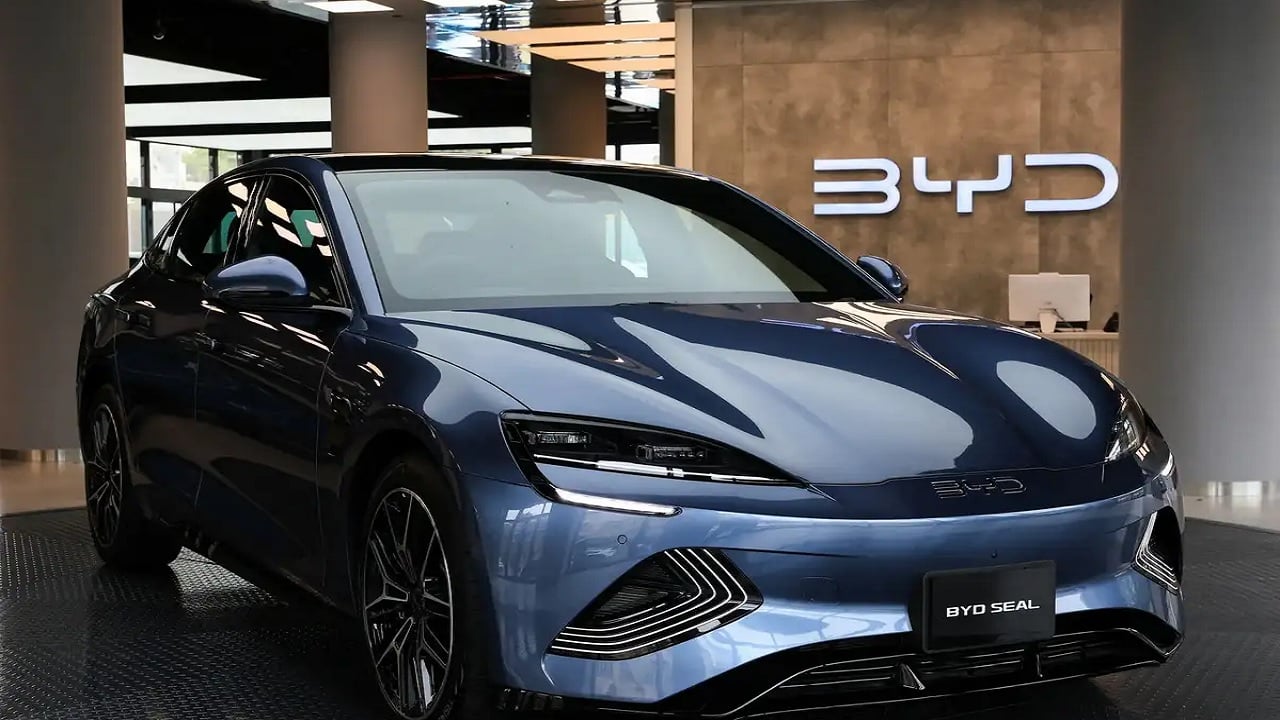
Chinese automaker BYD (Build Your Dreams) has recently entered the Pakistani market with the Atto 3, an affordable yet premium electric SUV.
Range: 420 km
Battery: 60.5 kWh
Approx. Price: PKR 13–16 million
BYD is one of the world’s largest EV producers, and its entry into Pakistan marks a major milestone in EV accessibility and local adoption.
The Changan Lumin represents the budget-friendly EV category in Pakistan. Compact, efficient, and stylish, it’s ideal for city driving.
Range: 180–220 km
Battery: 28.4 kWh
Approx. Price: PKR 4–5 million
Its affordable price makes it one of the most promising options for the mass market in the coming years.
| Model | Estimated Price (PKR) | Range (km) | Battery (kWh) |
|---|---|---|---|
| Audi e-tron | 45–55 million | 400 | 95 |
| MG ZS EV | 12–15 million | 350 | 44.5 |
| BMW iX | 65–70 million | 500 | 111.5 |
| Tesla Model 3 | 25–30 million | 560 | 75 |
| Nissan Leaf | 7–9 million | 270 | 40 |
| BYD Atto 3 | 13–16 million | 420 | 60.5 |
| Changan Lumin | 4–5 million | 200 | 28.4 |
Note: Prices may vary based on import duties, currency fluctuations, and model specifications.
The Government of Pakistan has introduced multiple initiatives to promote electric cars and green mobility, including:
Reduction of customs duties on EV imports
Exemption of registration and token taxes in some provinces
Development of EV charging networks through public-private partnerships
Encouraging local EV assembly and battery production
Such initiatives are expected to accelerate EV adoption and make electric vehicles more affordable for the public.
Despite positive growth, Pakistan’s EV market still faces challenges, including:
Limited charging stations outside major cities
High initial cost of imported EVs
Lack of technical expertise for maintenance
Unstable electricity supply in some areas
Addressing these barriers is essential to ensure that electric cars become mainstream in the coming years.
Electric cars offer multiple advantages beyond environmental benefits:
Zero tailpipe emissions for cleaner air
Lower running and maintenance costs
Smooth and quiet driving experience
Instant torque and high performance
Energy independence from imported fuels
As more people understand these benefits, Pakistan’s automotive culture is gradually shifting toward sustainability and innovation.
By 2026, analysts predict:
More local EV assembly plants will emerge.
Charging infrastructure will expand nationwide.
Cheaper battery technologies will reduce vehicle costs.
Tesla, BYD, and Hyundai EVs could establish official dealerships.
This evolution positions Pakistan as a growing market for electric mobility solutions in South Asia.
The arrival of electric cars in Pakistan marks the beginning of a new automotive era. With brands like Audi, BMW, Tesla, MG, and BYD leading the transformation, Pakistan is rapidly embracing a cleaner, smarter, and more efficient mode of transportation.
By 2026, electric vehicles will not just be a luxury but a necessity — reshaping how Pakistan moves, drives, and sustains its environment.